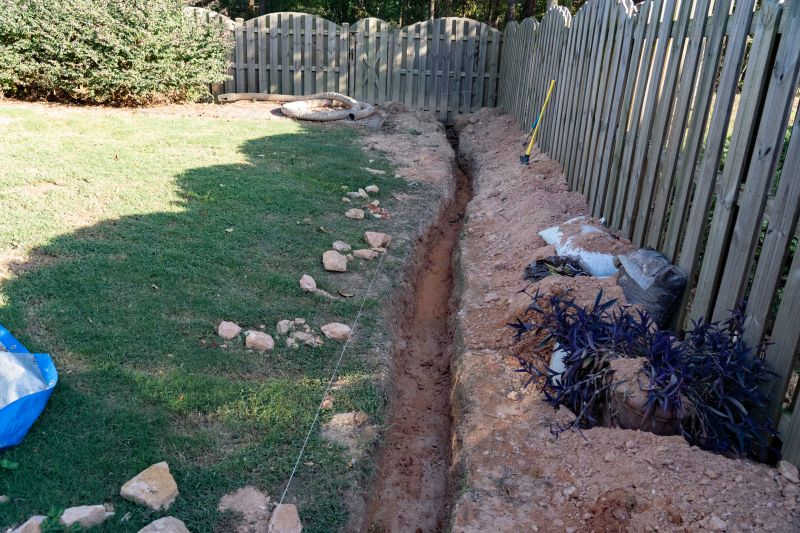
Irrigation Trenching in Atlanta, GA
Irrigation trenching services involve digging precise channels in the ground to install or repair underground irrigation systems. This process is commonly used for projects such as laying new sprinkler lines, replacing old or damaged pipes, or expanding an existing irrigation network to cover additional areas of a yard or garden. Property owners typically seek this service to ensure their lawns and gardens receive consistent watering without the clutter of above-ground hoses or sprinklers, helping to maintain healthy, lush landscapes.
Before requesting irrigation trenching, property owners should consider the layout of their property, existing underground utilities, and the specific areas that need irrigation coverage. It’s important to understand the scope of the project, including the length and depth of trenches required, as well as any potential obstacles like tree roots or hard soil. Clear planning helps ensure the installation or repair process is efficient and minimizes disruptions to the landscape.
Many property owners in Atlanta, GA look into Irrigation Trenching for repairs, replacements, upgrades, and appearance-related improvements.
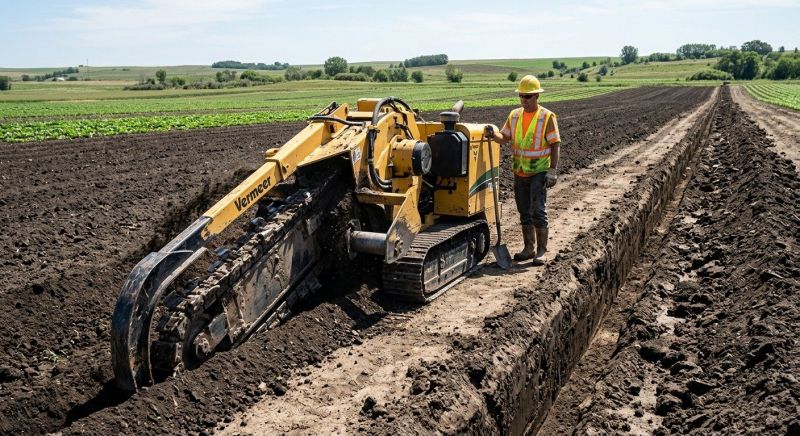
Efficient Water Distribution
Proper trenching ensures even and reliable irrigation coverage for lawns and gardens.
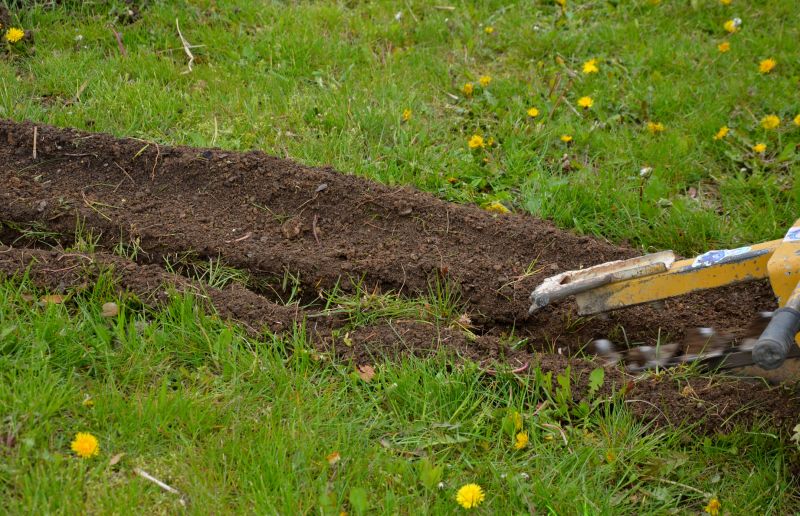
Customized Irrigation Solutions
Trenching allows for tailored installation of sprinkler systems to suit specific landscape needs.
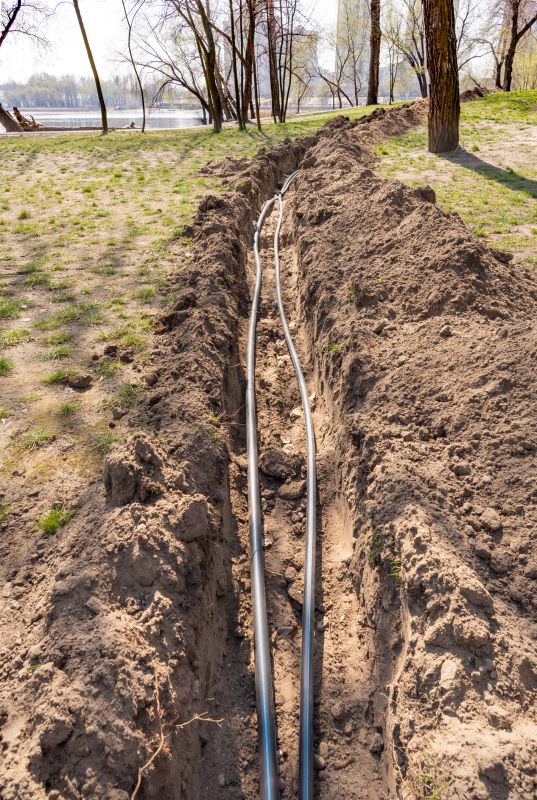
Property Value Enhancement
Professional trenching helps maintain healthy landscaping, adding curb appeal to homes in atlanta, ga.
Irrigation Trenching in Atlanta, GA

Irrigation trenching services involve digging precise channels in the ground to install or repair underground irrigation systems. This process is commonly used for projects such as laying new sprinkler lines, replacing old or damaged pipes, or expanding an existing irrigation network to cover additional areas of a yard or garden. Property owners typically seek this service to ensure their lawns and gardens receive consistent watering without the clutter of above-ground hoses or sprinklers, helping to maintain healthy, lush landscapes.
Before requesting irrigation trenching, property owners should consider the layout of their property, existing underground utilities, and the specific areas that need irrigation coverage. It’s important to understand the scope of the project, including the length and depth of trenches required, as well as any potential obstacles like tree roots or hard soil. Clear planning helps ensure the installation or repair process is efficient and minimizes disruptions to the landscape.
Many property owners in Atlanta, GA look into Irrigation Trenching for repairs, replacements, upgrades, and appearance-related improvements.
Common Irrigation Trenching Jobs
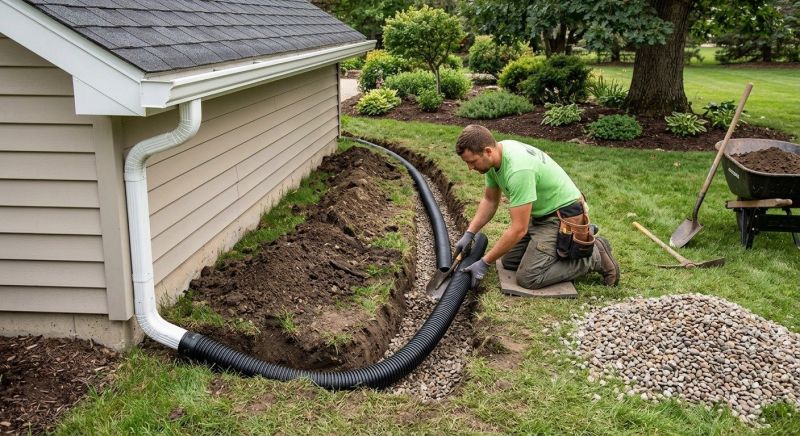
Irrigation trenching involves digging precise channels to install or repair underground sprinkler systems.
Landscape irrigation trenching helps ensure even water coverage across lawns and garden beds.
Drainage trenching directs excess water away from foundations and landscaped areas.
Utility trenching provides safe pathways for underground wiring and piping systems.
Yard trenching prepares the landscape for new irrigation lines or repairs existing ones.
Soil preparation trenching creates a stable base for sprinkler heads and irrigation components.

Irrigation Trenching Questions
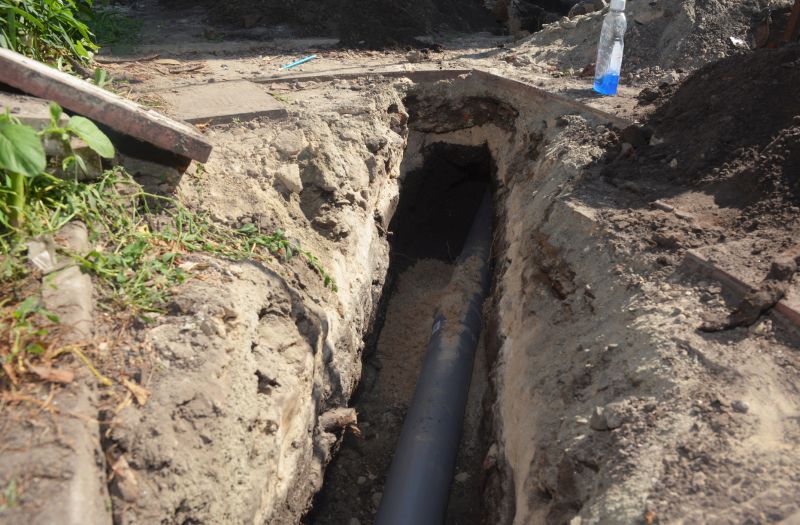
What is irrigation trenching? It is the process of digging trenches to install or repair underground irrigation systems for lawns and gardens.
When is trenching needed for irrigation? Trenching is necessary when installing new sprinkler lines or replacing old, damaged pipes underground.
How deep are irrigation trenches typically? Trenches are usually dug about 6 to 12 inches deep to accommodate piping and sprinkler components.
What should property owners know before trenching? It’s important to identify existing underground utilities and plan the trench route to prevent damage and ensure proper system function.
Request Irrigation Trenching in Atlanta, GA
Use the quote form on this page to share the basics of your project and request more information for the type of work you need.